Carnegie Moscow Center

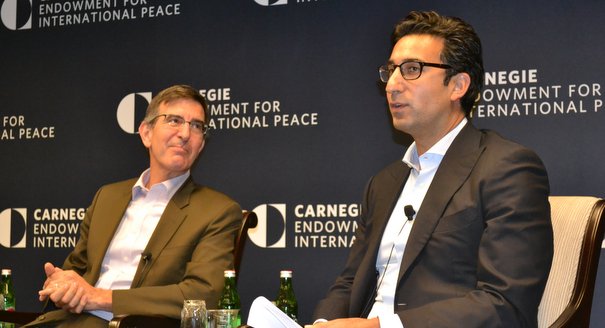
An opportunity to learn about Carnegie’s role in public policy and international relations, working in a think tank, and Carnegie’s Junior Fellows Program.
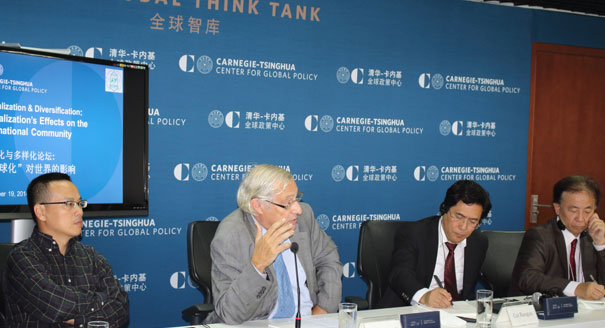
Globalization has integrated the global economy and lifted billions of people out of poverty. However, it has also dispersed global political power and has strained the existing world order.
Carnegie’s Washington-based Middle East Program and the Carnegie Middle East Center convened a special workshop that sought to examine potential long-term scenarios for the West Bank and Gaza and their impact on Palestinian life, politics, and livelihood.
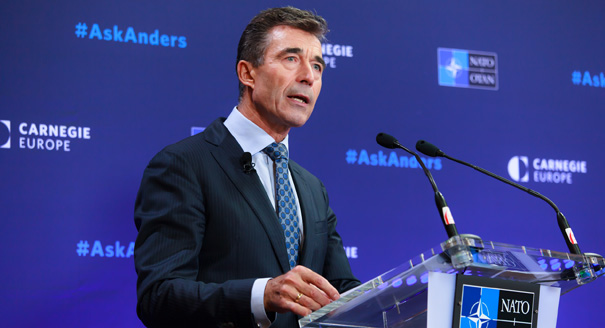
As NATO faces multiple security challenges—from a revisionist Russia in the East to Islamic extremism in the South—it is time for a real strategic debate.
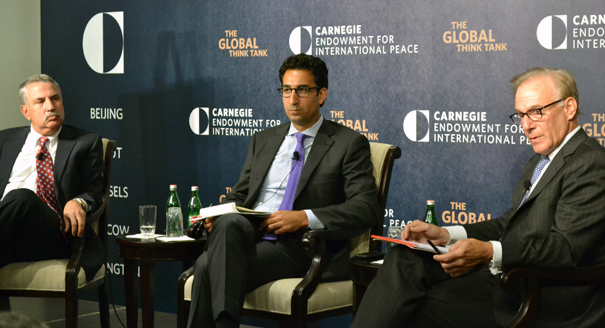
Today’s Middle East is grappling with failed states, civil wars, brazen autocracies, and terror groups such as ISIS. Is this the region’s new normal, and is there a viable U.S. strategy to reverse these trends?
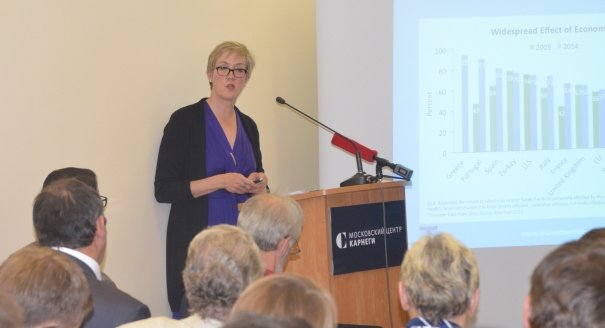
According to this year’s Transatlantic Trends survey, Russians have an increasingly unfavorable view of the United States and the EU. Americans and Europeans also had more negative outlooks toward Russia in 2014 than previous years.
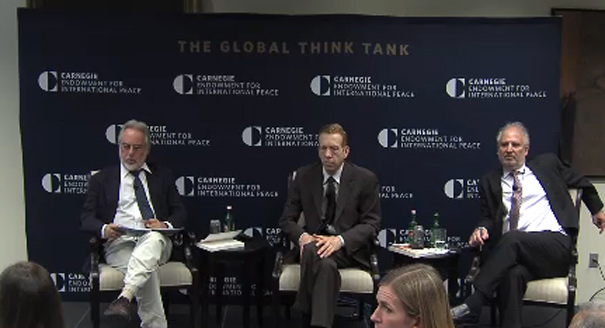
No issue in international development is as important, or vexing, as the relationship between governance and development.
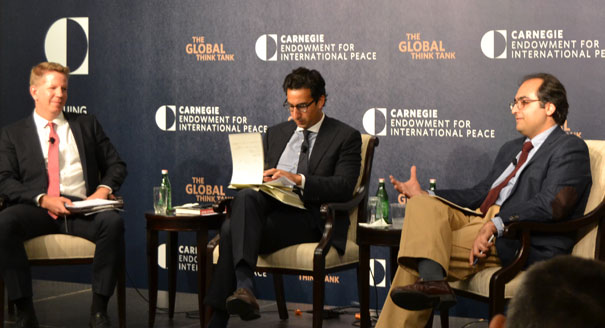
The threat of radical non-state actors, such as the Islamic State, has created an apparent convergence of interests between Iran, Saudi Arabia, and the United States.
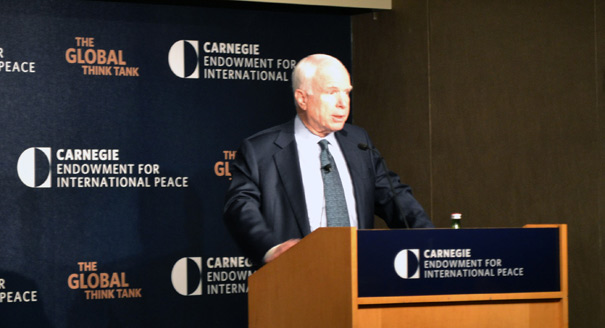
Senator John McCain recently visited India and was the first high-level U.S. government official to meet with Prime Minister Modi.
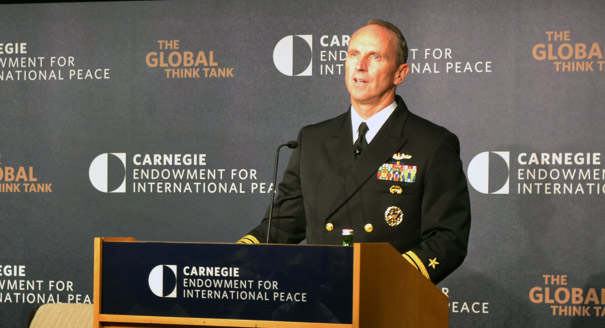
China’s Navy is embarking on “new historic missions” that reflect China’s interest in expanding its operational reach and global influence. From cooperative piracy patrols in the Gulf of Aden, to China’s first participation in the Rim of the Pacific naval exercise, the U.S. and Chinese Navies are expanding the boundaries of their burgeoning relationship.