Carnegie Moscow Center

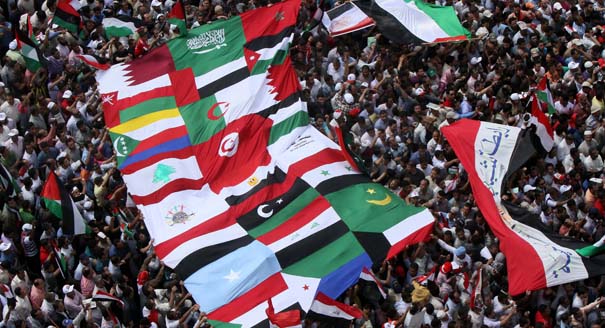
The critical links between governance, prosperity, and security, while apparent, are too often forgotten.
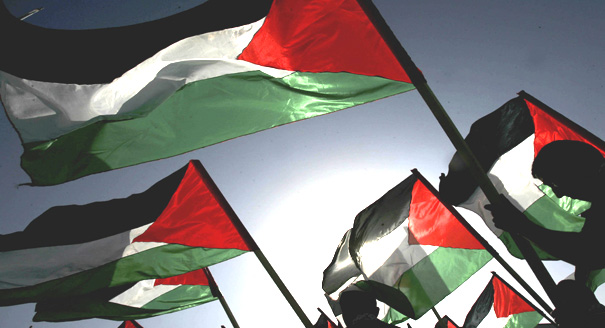
Fifty years after the 1967 Arab-Israeli War, repeated efforts to negotiate a two-state solution have faltered, and the traditional instruments of Palestinian nationalism face crises of confidence.
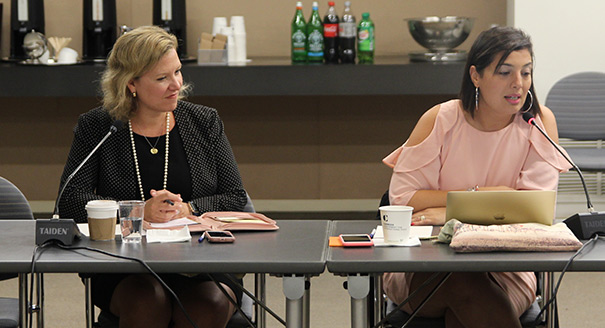
The Carnegie Middle East program hosted Tunisian Member of Parliament Olfa Soukri Cherif to discuss Tunisia’s economic and political challenges.
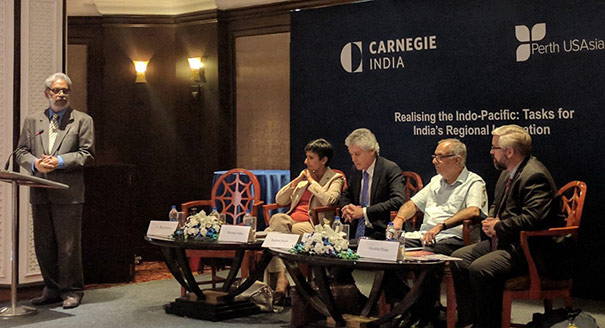
India’s engagements in the emerging Indo-Pacific security architecture should be reexamined to reflect new regional realities.
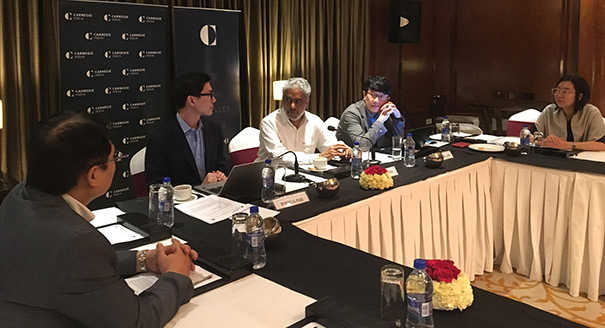
The Korean Peninsula is a large source of volatility in the geopolitical situation of East Asia.
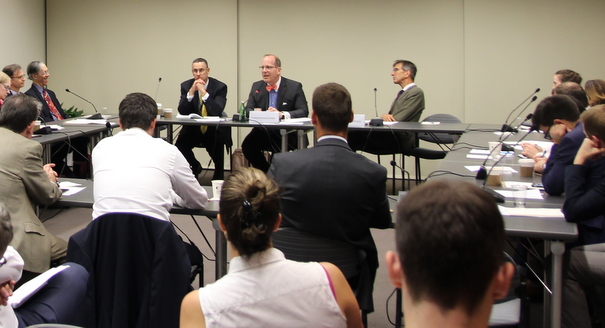
Christopher Ford, special assistant to the president and NSC senior director for WMD and counterproliferation, delivered remarks regarding the U.S. position on the Treaty on the Prohibition of Nuclear Weapons.
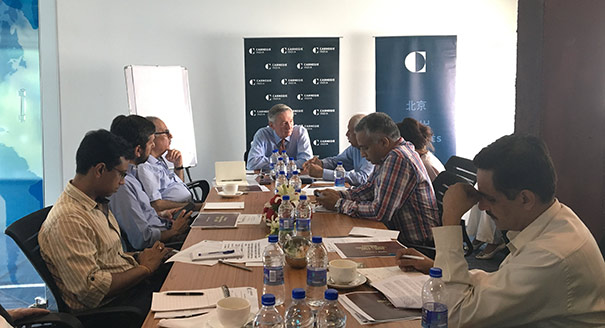
Chinese military expenditure has gradually risen over the years along with its economy.
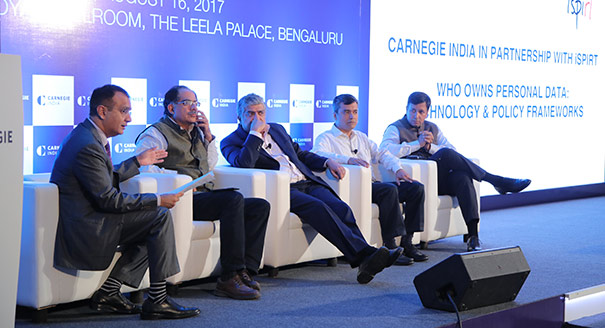
Increasing connectivity has raised fundamental questions about data ownership and user privacy that have not been adequately addressed in current legal and policy frameworks.

The oil industry has been entangled in serious corruption controversies. In response, the U.S. government has shown leadership over the past decade in helping bring more transparency to the sector.
In 1990, India conducted the world’s largest civilian airlift to evacuate more than 100,000 members of the Indian diaspora from Kuwait during the Gulf War. In 2016, the Hindi film “Airlift” depicted the evacuation operations.