Carnegie Moscow Center

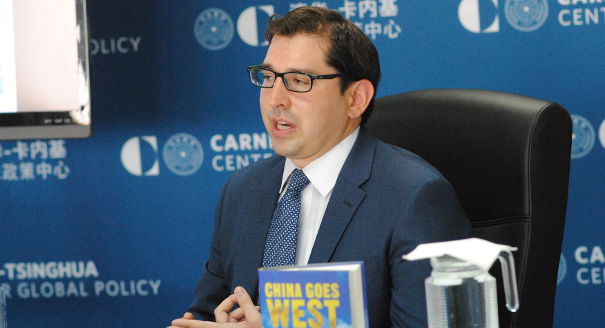
Rapid expansion of Chinese companies into international markets raises questions about the long-term effects of Chinese investment on domestic industries in Europe and the United States.
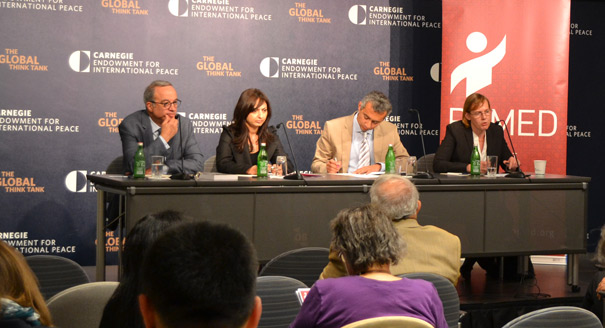
After the major uprisings of 2011 in Egypt, Tunisia, and Yemen, many assumed that the movements emerged spontaneously directed by tech-savvy, young revolutionaries. However, citizen activism in the Arab world was already adapting to changing internal political and social dynamics in the preceding years.
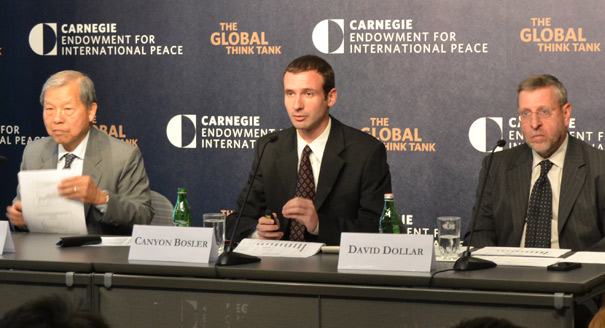
China’s growth rate continues to slide. Many observers see its surging debt and housing indicators as signaling an imminent financial crisis and the inevitability of a hard landing. How likely is this to occur, and can the new leadership engineer a more sustainable growth path?

Facing crises in Ukraine and the Middle East, it is past time to reform and strengthen the European Union’s foreign policy.
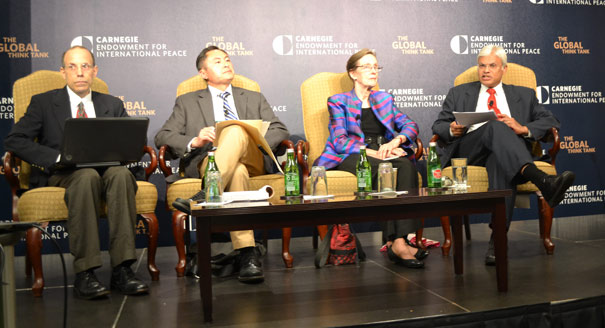
India, China, and Russia are all set to play a major role on the global stage throughout the rest of the twenty-first century. The relationships between the three nations are complex, however, with opportunities for cooperation in areas of convergent interests often being hamstrung by long-standing disputes and rivalries.
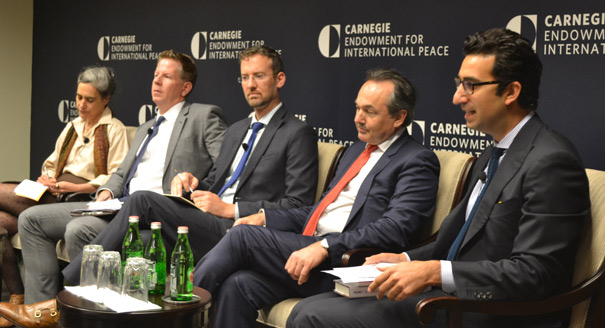
Gilles Kepel, William McCants, and Karim Sadjadpour assess the shifting dynamics of the Arab revolutions and their potential future trajectory.
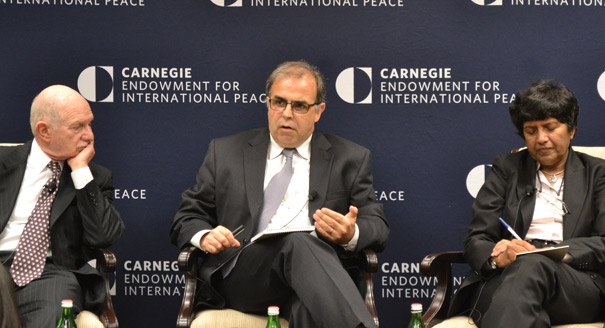
Pakistan is currently facing a number of significant challenges that have major implications for U.S. policy in the region and pose near-existential threats to the country itself.
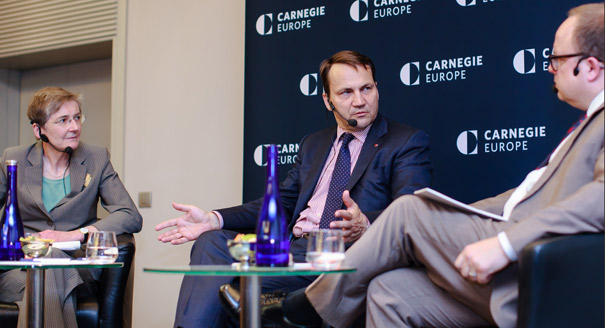
Recent events in Ukraine have been a stark reminder of the perennially fragile nature of stability and peace in Europe.
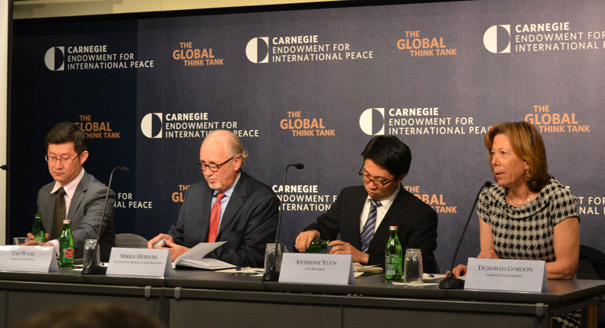
China’s energy future will be shaped by its major oil ambitions, including the opportunity to exploit newly accessible domestic resources.
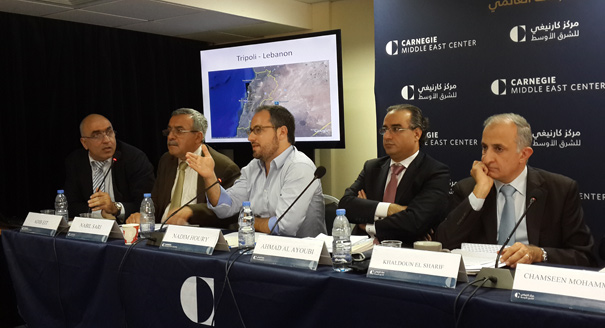
Tripoli—with the assistance of the central government—must no longer be used as a battleground for political forces. A systematic infrastructure and economic development plan is needed.