Carnegie Moscow Center

The Bab al-Tabbaneh–Jabal Mohsen conflict has revealed the lack of state response to the violence and the ineffectiveness of Tripoli’s security plan.
Tripoli is in need of reform and development, struggling with poor socioeconomic conditions, a deteriorating economy, and absent security measures.
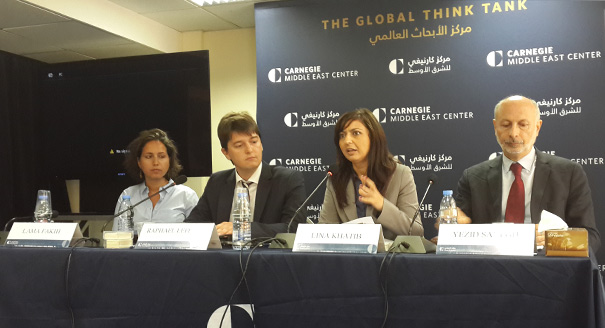
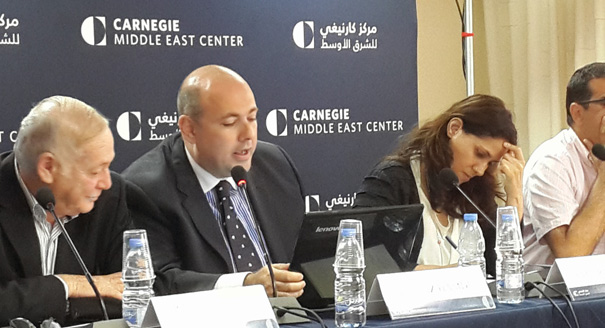
The Carnegie Middle East Center and Human Rights Watch held a conference that addressed the challenges faced by Tripoli, Lebanon’s second largest city and a focal point for much of the conflict that has spilled over from the Syrian crisis.
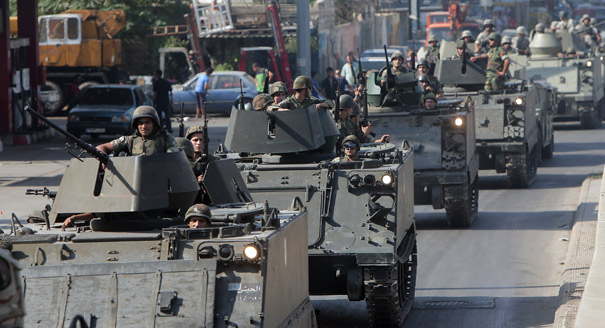
Tripoli has become the focal point for much of the conflict in Lebanon, with potentially significant implications for Lebanon and the region.
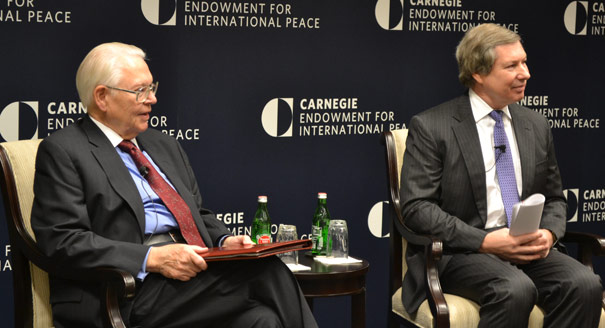
Twenty years after the ceasefire of May 12, 1994 halted fighting between Armenians and Azerbaijanis over Nagorny Karabakh, a peaceful resolution of the conflict remains elusive.
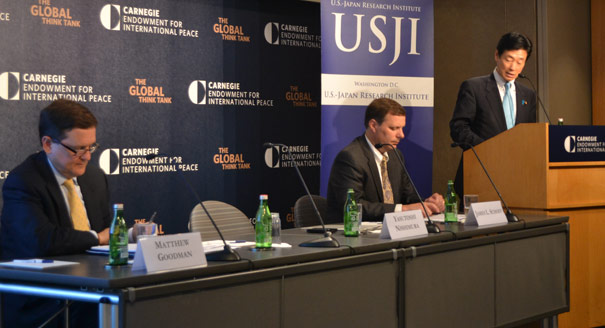
Japan is beginning to emerge from its prolonged economic stagnation following the success of Abenomics. But successful implementation of the administration’s action plan, adopted in January, is critical for sustained economic revitalization.
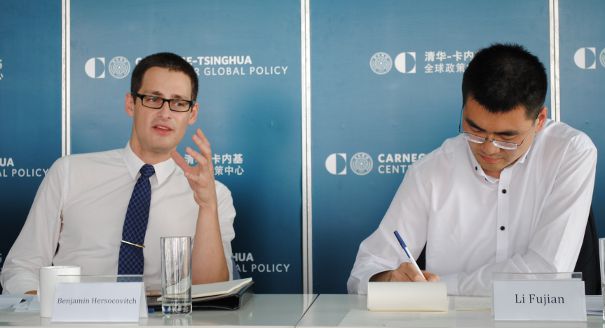
China’s rise has generated enormous prosperity for the countries of Asia, as well as difficult questions about the region’s future stability and strategic order.
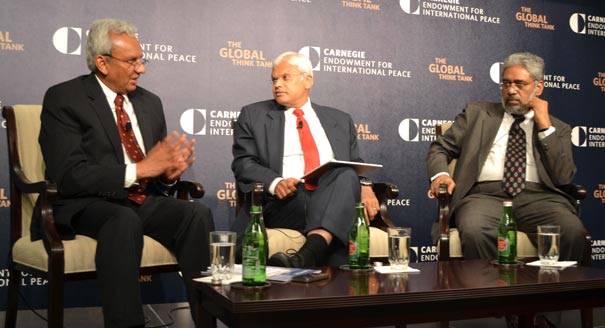
While there will soon be a new government in New Delhi, India’s foreign policy challenges promise to remain more or less constant.
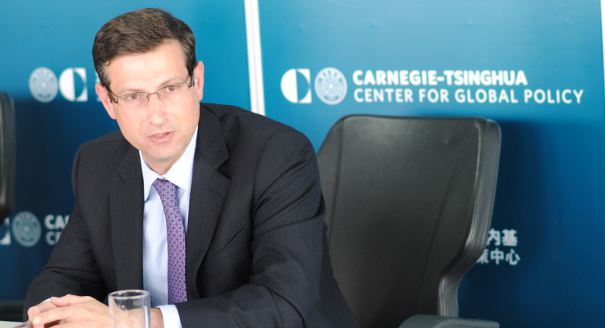
As the United States draws down its presence in Afghanistan, numerous questions remain about South Asia’s future and China’s role in the region.
Indonesia’s recent legislative election results were not as clear cut as opinion polls forecasted. Will this mean a splintered parliament and a coalition government that struggles to enact much-needed reforms? Or could a decisive win in the presidential elections give Indonesia’s next leader a clear political mandate for change?