Carnegie Moscow Center

Twenty years after the end of the Soviet Union, Armenia has built a functioning sovereign state, but questions remain about how well that state is faring compared to the democratic countries of the European Union or the rising economies of Asia.
New research demonstrates changing public attitudes in the South Caucasus toward human rights, economic reform, and the media, as well as the role of Western institutions in promoting democratization in the region.
The World Energy Outlook 2011, the International Energy Agency’s flagship annual report, provides analysis and insight into global energy markets for today and the next 24 years.
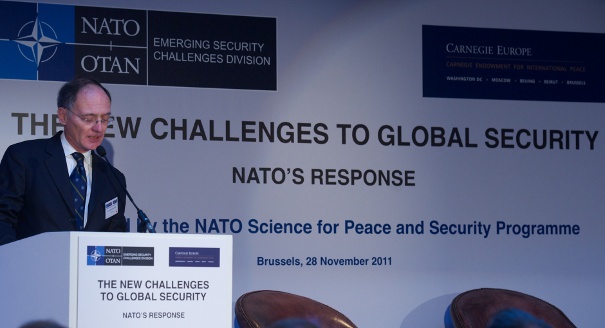
Global Security in the 21st century is an ever elusive goal and NATO must face emerging security challenges in counter terrorism, cyber defense, energy security, and non-proliferation.
Arab monarchies have so far survived the unrest of the Arab Spring without major challenges to their authority, but their countries are not immune to the widespread popular discontent.
As Vladimir Putin prepares to return to the presidency in the 2012 elections, the prospects for Russia’s future are unclear.
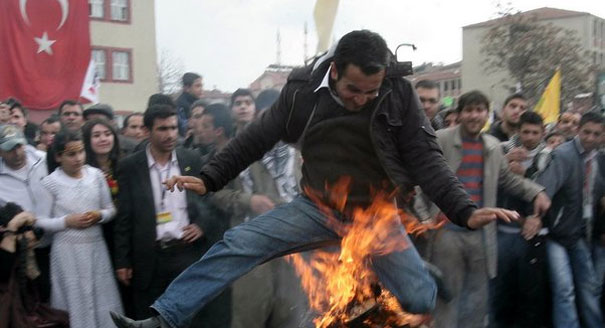
Turkey’s geopolitical role as a country that is both European and Middle Eastern has grown more complex than ever.
The United States has dealt with Pakistan as a client state for more than half a century. Today, the relationship is complicated and Washington is at a crossroads: can the United States continue to engage Pakistan or has the time come for a different strategy?
Since its establishment just over ten years ago, the Community of Democracies has received mixed reviews. This symposium will assess the successes and failure of the Community and highlight current developments in the Community's work.
The Russian Empire is gone and it is never coming back. Russia must now take steps as a post-imperial nation to quickly modernize lest it becomes marginalized in the evolving global order.