Carnegie Moscow Center


A critical component of the reset in U.S.-Russian relations, the Bilateral Presidential Commission facilitates engagement among government, business, and civil society actors on topics ranging from nuclear energy to public health.
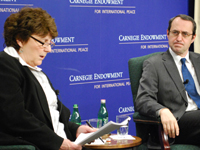
One year after announcing a new strategy for the war in Afghanistan, the Obama administration is set to assess the current approach and officials are downplaying the possibility of a shift in tactics.
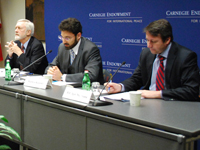
The unsettled political situation in Moldova could hamper further negotiations over the country's accession to the EU, economic reform, and resolution of the enduring separatist conflict in Transdniester.
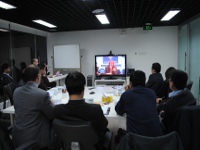
Today NATO faces threats of unconventional violence, such as terrorism or cyberattacks, more than threats of a conventional attack or traditional military attack.
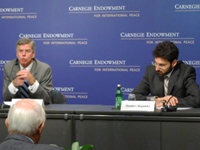
After nine months in power and a fresh victory in October’s local elections, the Yanukovich government’s record raises important questions about the future of Ukraine.
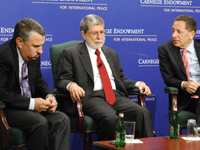
The rise of new powers in the developing world has already begun to reshape international relations, but the characteristics of any potential new international order remain unclear.
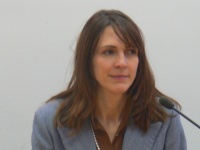
The ideal president and national leader for Belarus would be someone who appeals to the country’s national archetypes and can help form a national identity for Belarusians.
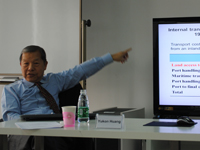
In spite of China’s high growth rates, the country still faces a number of economic challenges, from trade tensions with the West to reducing income inequality domestically.
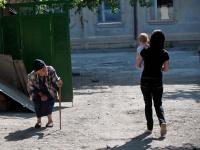
Although Russia has officially recognized South Ossetia’s independence, neither Tskhinvali nor Moscow has clearly outlined the goals of a new state project or set out the mechanisms for its further development.
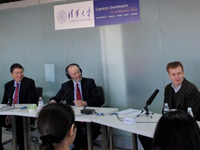
As China's global influence continues to grow, the country must work to strengthen its relations with its neighbors and balance its economy in a way that promotes domestic growth without increasing international tensions.