Carnegie Moscow Center

Opposition activity is heating up in Egypt as the country heads for parliamentary elections this fall and a presidential election in 2011. What ramifications will this activity have on the Egyptian political system?
Coalition strategy in Afghanistan has reached an impasse: tactical successes will not defeat the Taliban while Pakistan offers sanctuary, nor can security be “Afghanized” by a government that lacks legitimacy and is irreparably unpopular.
The Obama administration recently concluded a two-day Nuclear Security Summit, which saw world leaders endorse the U.S.-led initiative to secure all nuclear weapons from terrorists’ grasp in the next four years. A number of pressing and controversial issues still remain on the global nuclear agenda, however.

The March 2009 mayoral elections in Kachkanar, a one factory town in the Ural Mountains, demonstrated the strength and power of civil society in Russia's regional towns.
Few would disagree that the international banking system must change, but agreement on how remains elusive. Various plans have been put forward, including restricting banks to the most basic functions of financial intermediation.
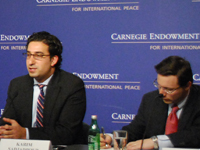
Despite Iran's vast energy reserves, widespread economic malaise has been the greatest source of popular discontent and the chief Achilles heel of the Islamic Republic.

The role of Uzbekistan’s parliament has expanded significantly, but the transition from totalitarian regime to secular democracy will require further steps toward the decentralization of power.

Since the mid 1990s, Morocco has presented itself as a model of gradual and genuine democratization in the Middle East and North Africa. However, Moroccan democracy continues to face significant challenges, such as the need to include Islamist groups in the political process and strengthen political parties.

The rivalry between the two parties in the U.S. Congress today has become so acute that it is effectively freezing productive relations at all levels of power, causing inevitable damage to the country’s security and foreign policy.
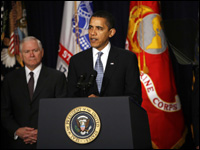
The Obama administration has released the highly anticipated Nuclear Posture Review (NPR). The reactions of key nuclear and non-nuclear weapon states to this document will help determine whether the NPR will advance U.S. and international security.