Carnegie Moscow Center

Haider Mullick, a fellow at the Joint Special Operations University and the Institute for Social Policy and Understanding, examined Pakistan's counterinsurgency strategy as well as U.S.-Pakistan relations.
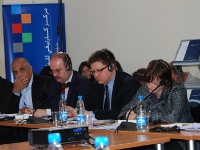
The Iraqi elections are decisive in determining the leadership and makeup of the next Iraqi government, which will face critical challenges in the areas of political inclusion, maintaining security, managing internal tensions over Kirkuk, and rebuilding relations with the GCC and other neighbours.
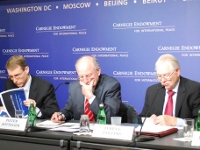
In a shift that will affect all major dimensions of the global economy, including trade flows, capital flows, the size of the middle class, and carbon emissions, today’s developing countries are likely to become the world’s dominant economies by 2050.
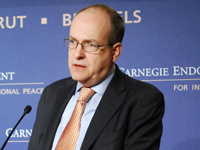
The Iraqi parliamentary elections on March 7 will be a critical test for the young democracy. Ad Melkert, the United Nations Secretary-General's Special Representative for Iraq, assessed the latest situation on the ground in the run up to the elections and what the election means for the country's political future.
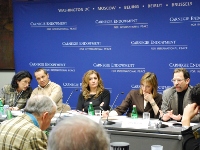
Since 2004, Egypt has experienced more than 1600 labor protests, which have dwarfed political protests in scale and consequence. What are the political ramifications of increased labor unrest? Are the labor movements a harbinger for a more active and mobilized Egyptian society?
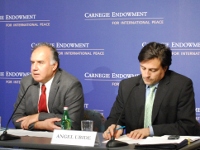
As market confidence in the Greek government debt teeters on collapse, and confidence in Portugal, Spain, and Ireland continues to erode, an urgent question has emerged: will the Euro area implode?
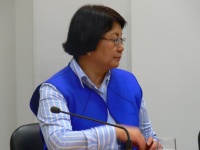
The Tulip Revolution did not mark the emergence of democracy in Kyrgyzstan. To the contrary, since 2005, limits on political rights and freedoms and the strengthening of President Kurmanbek Bakiyev’s family rule have only increased.

Members of the defense and security community came together with representatives from civil society, NGOs, academia, industry, and the media in an online conference designed to analyze and clarify the changing threats to international peace.
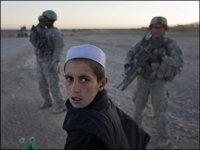
On the sidelines of the international ministerial conference on January 28th, Afghan stakeholders as well as Western experts brought their insights to shape the debate on the future of Afghanistan.
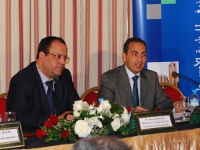
High unemployment rates among women, youth, and educated job seekers in the Maghreb countries suggests that more needs to be done to improve not only the quantity of job opportunities but also their quality.