Carnegie Moscow Center

Despite China's extraordinary recovery, the debate over its economic prospects has intensified as new questions have emerged about China's exit strategy and its relationship with the United States.
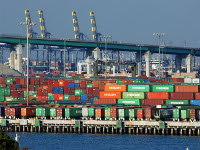
While the worst of the financial crisis may be over, the global recovery is fragile and the fallout from the crisis will change the landscape for finance and growth over the next ten years.
Experts fear that Yemen is rapidly becoming a center for radicalization and a haven for extremists. At the same time, a confluence of looming domestic challenges threatens to bring the country to its knees, with potentially destabilizing consequences for the region.
The proposed U.S.-Colombia Free Trade Agreement could potentially have adverse effects on Colombia’s economy and stability, and particularly on small farmers, who have already been disproportionately affected by Colombia’s internal conflict.
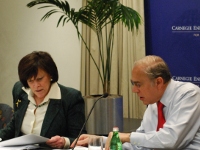
Over the next half century, the economies of developing countries are predicted to surge ahead of their advanced counterparts. Washington’s senior G20 diplomats gathered to discuss whether the world’s leaders are prepared.

Under President Putin, Russia’s government was a hybrid regime that combined elements of both democracy and authoritarianism. Two years into Medvedev’s presidency, the basic structure of government has not significantly changed.
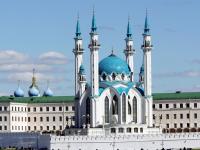
History is being newly politicized in Russia and in the countries of Central and Eastern Europe, and history itself is becoming a field of politics, but historians can and should resist manipulation by politicians.
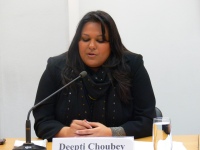
Two potentially conflicting imperatives drive Barack Obama’s nuclear agenda. On the one hand, he has called for a world free of nuclear weapons. On the other hand, he believes that the United States needs credible nuclear deterrence.
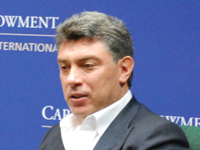
The large protest in Kaliningrad marks an increase in popular anti-Putin and anti-Kremlin sentiment and an opportunity for the opposition to work with the dissatisfied population and toward a more democratic Russia.
The mayoral elections in Krasnoturinsk demonstrate the power of Russian civil society, given the right conditions, to overcome the administrative political regime.