Carnegie Moscow Center

Hosted by the Center for Science and Security Studies, King's College London
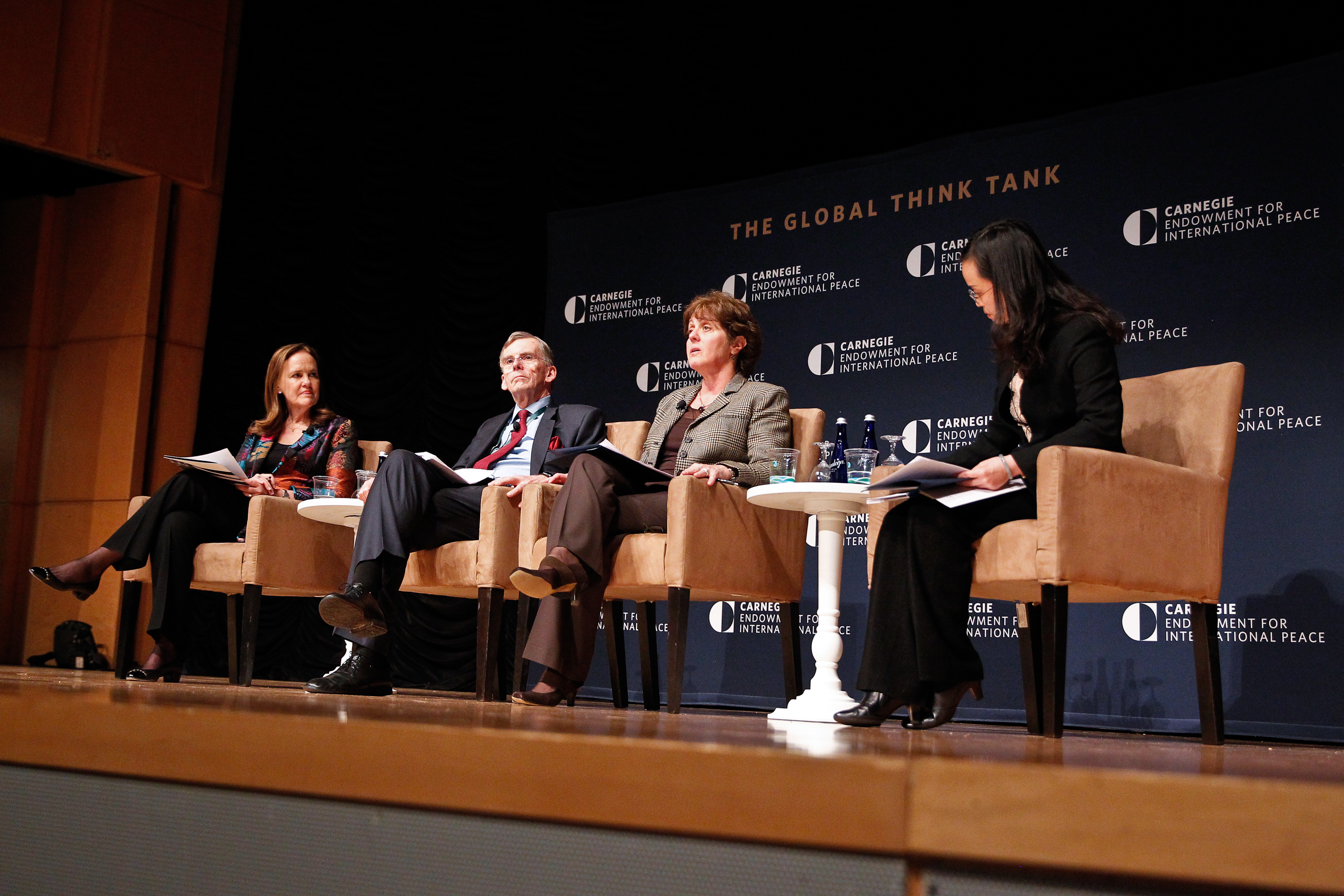
How might the proliferation of offensive cyber capabilities be strategically destabilizing? How might these risks be mitigated?
Through this new young professionals track, Carnegie hopes to facilitate opportunities for attendees who are graduate students or have less than five years of professional experience to network with peers and senior experts in the field, and to enrich their conference experience through smaller and more targeted events. If this is of interest to you, be sure to check the box for “Young Professionals Track” when registering for the conference!
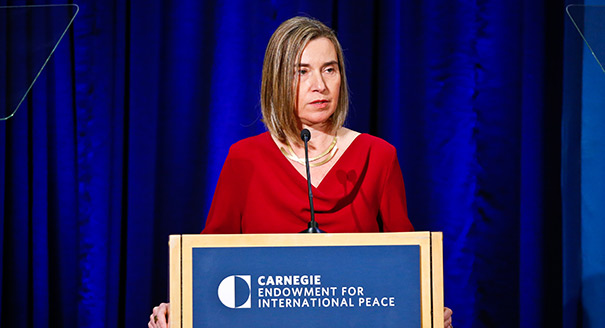
Federica Mogherini gave the opening keynote at the 2017 Carnegie International Nuclear Policy Conference.
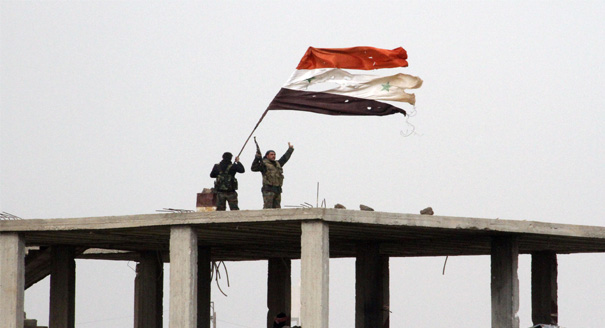
The Syrian conflict is not yet over, but it appears to have entered its final phase. Though Syrian President Bashar al-Assad seems set on maintaining power, significant shifts in U.S. and Turkish policies may help produce a negotiated outcome for the war weary country.
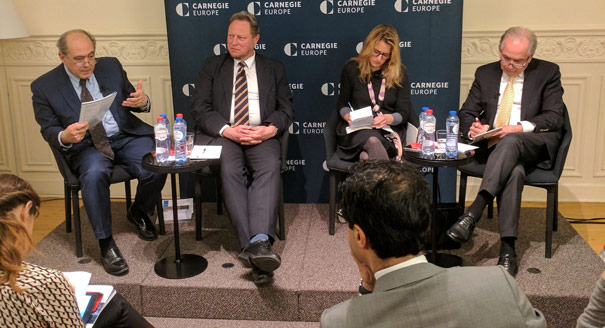
The Mediterranean has gradually become the epicenter of the most dramatic policy challenges confronting the EU—challenges that, if left unchecked, will have far-reaching consequences.
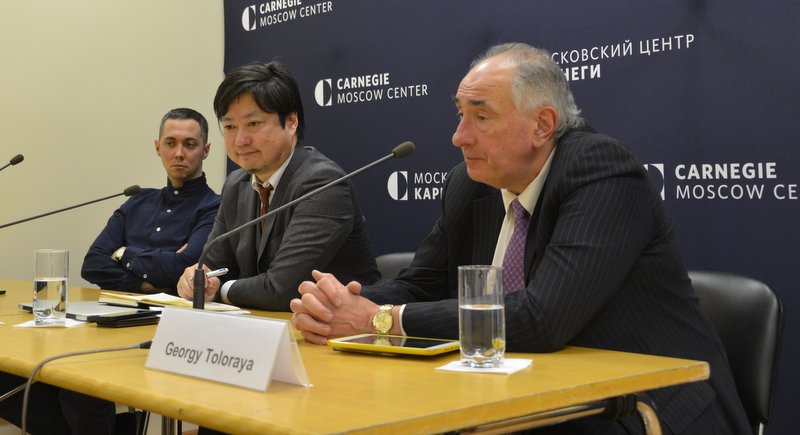
Carnegie Moscow Center hosted a seminar on pressing security challenges in Northeast Asia, including the recent developments on the Korean Peninsula and possible strategies for Japan and Russia to address these issues.
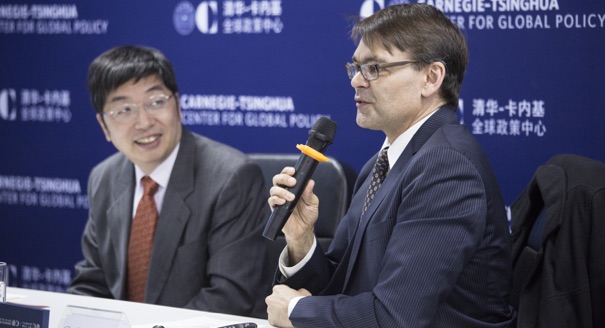
The recent development and deployment of strategic missile defense systems in the Asia-Pacific have heightened security dilemmas in the region.
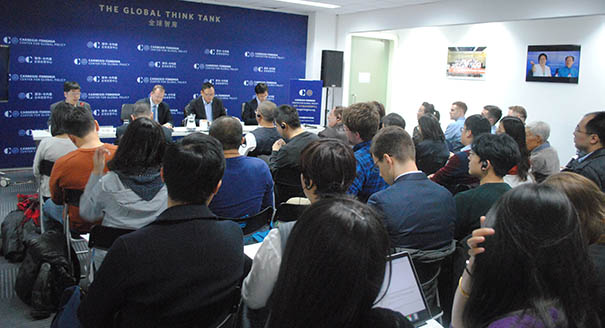
North Korea’s most recent missile launch highlights the advancement of the country’s weapons program and the urgent need for U.S.-China cooperation to address this growing regional security threat.
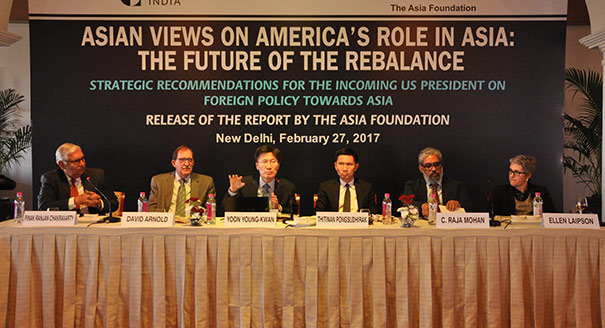
The 2016 U.S. presidential election campaign has caused mounting concern and skepticism about American foreign policy commitments toward Asia.