Carnegie Moscow Center

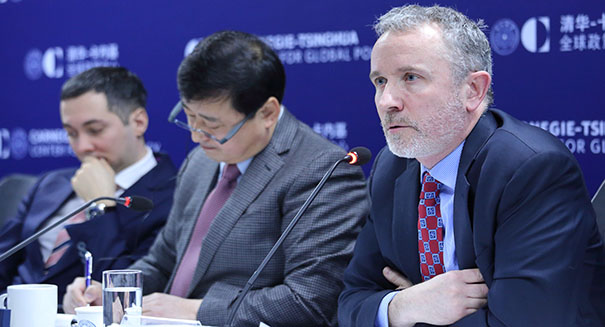
Rhetoric from U.S. President Donald Trump’s administration has renewed discussions about a possible improvement of U.S.-Russia relations that has the potential to shift great-power dynamics in the Asia-Pacific.
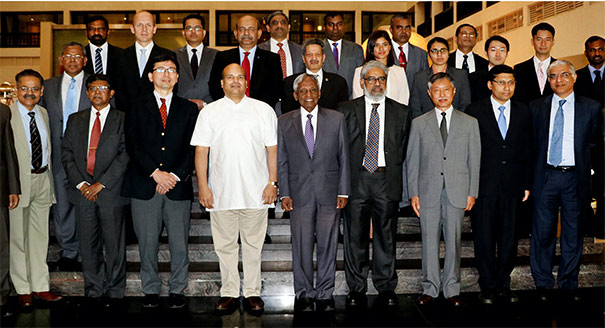
As the Indian Ocean re-emerges at the heart of global trade and becomes increasingly integrated with the Western Pacific, the Bay of Bengal is likely to emerge as a critical linkage between the two oceans.
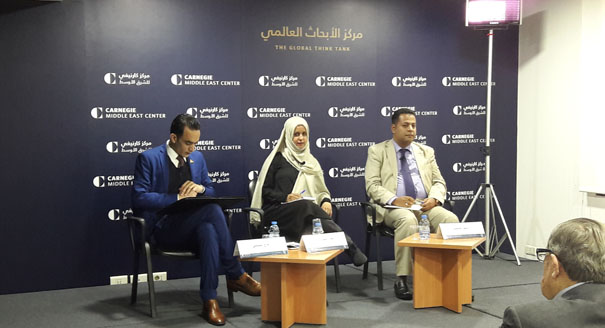
The sixth anniversary of Yemen’s 2011 popular revolt coincides with the second anniversary of the war that began after a coup led by the Houthis sparked direct Saudi military involvement.
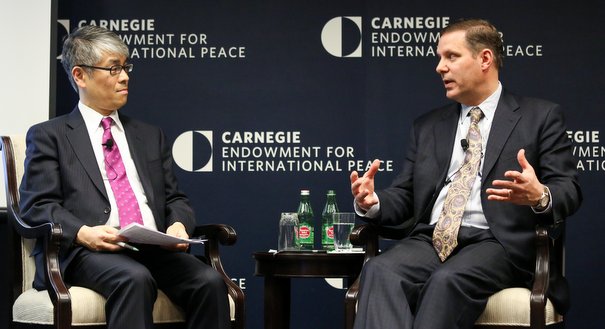
The start of a new U.S. administration is an opportune time to recalibrate the U.S.-Japan alliance to keep it relevant and productive.
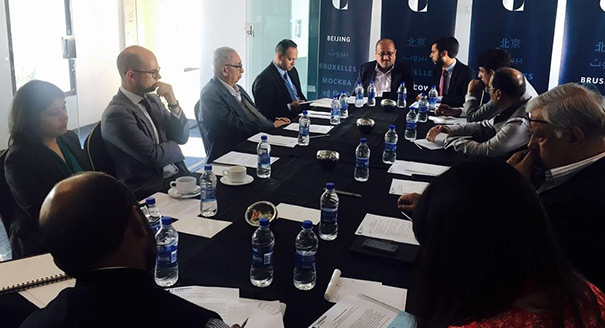
The economic potential of East South Asia, or the region spanning the Bay of Bengal, northeast India, and its adjoining areas, makes a strong case for regional integration.
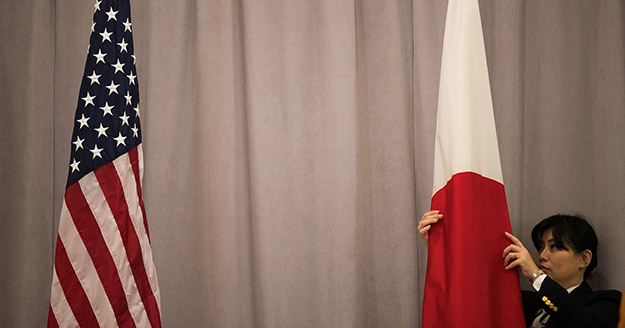
Senior Fellow James Schoff participated in a Reddit AMA to discuss the factors that have shaped the post-Cold War U.S.-Japan alliance and how the alliance can move forward in 2017 and beyond
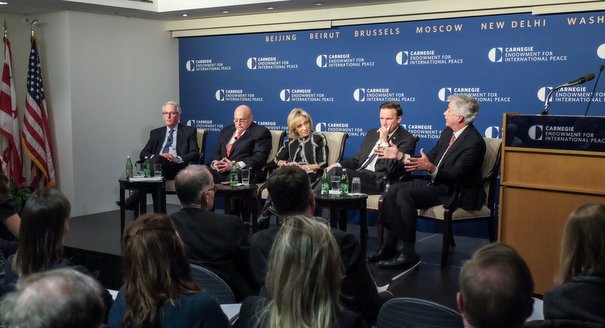
Please join the Carnegie Endowment for International Peace and the Chicago Council on Global Affairs for the launch of a report on the findings of a high-level bipartisan task force on U.S. policy toward Russia, Ukraine, and Eurasia.
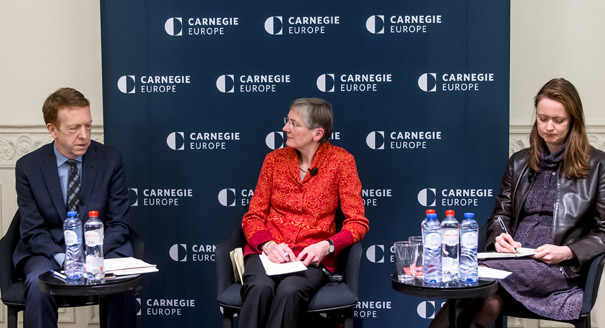
What are the possible impacts of the Trump presidency at home and the potential consequences of the new U.S. administration for Europe?
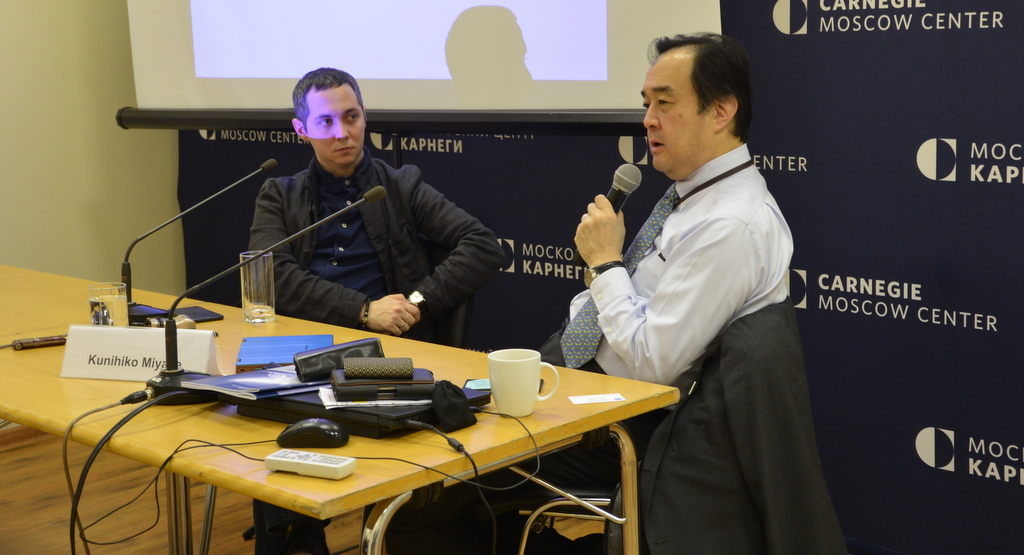
Carnegie Moscow Center hosted a discussion on Japanese foreign and security policy.
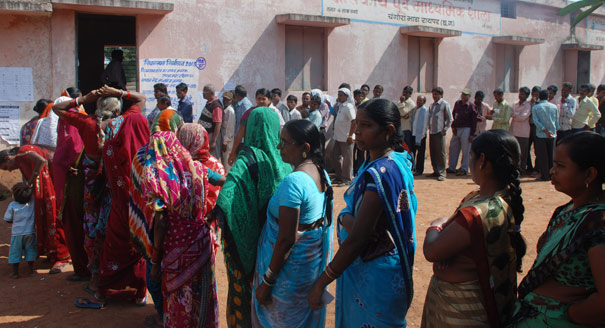
In democracies stretching from Brazil to Nigeria, criminals routinely thrive at the ballot box. In India, the world’s largest democracy, as many as a third of elected politicians are under criminal indictment.