Carnegie Moscow Center

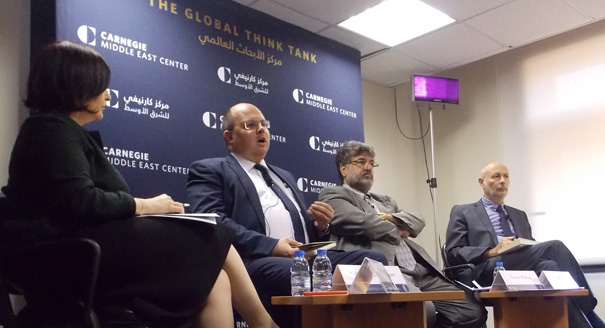
The “cessations of hostilities” agreement for Syria, brokered in part by Russia, is breaking down—and violence is escalating across large areas of the country, especially in Aleppo.
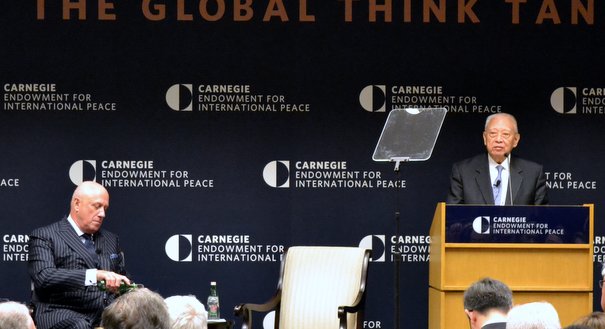
C.H. Tung gave his thoughts on maintaining momentum in U.S.-China relations, with special emphasis on the South China Sea.
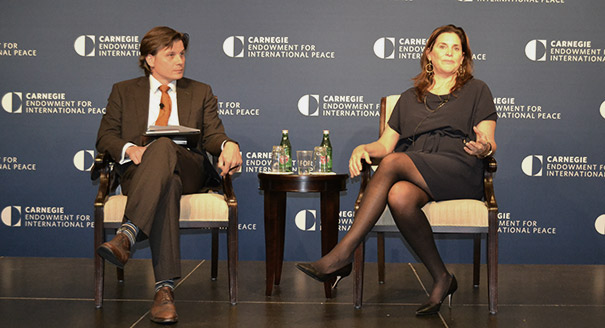
Drawing from years of experience covering Syria, Janine di Giovanni provides an unflinching account of the conflict in her new book.
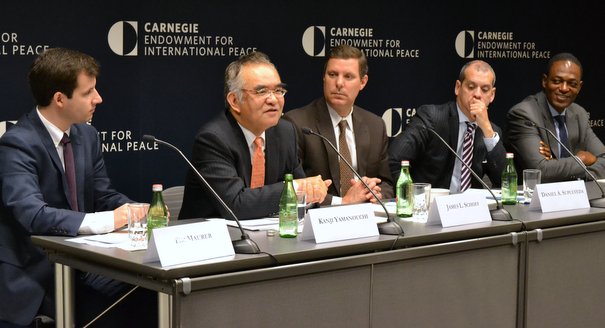
The topic of information and communication technologies diplomacy has been a dynamic aspect of U.S.-Japan cooperation since the launch of a U.S.-Japan Policy Cooperation Dialogue on the Internet Economy in 2010.
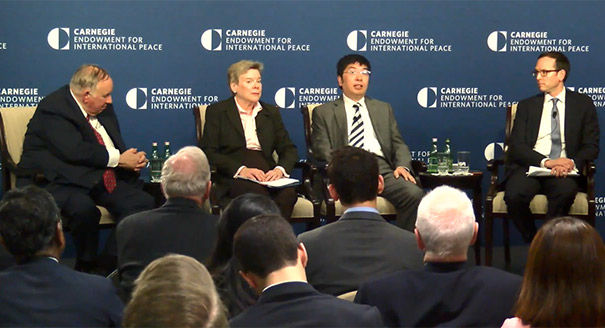
Chinese nuclear experts think about nuclear weapons very differently from their U.S. counterparts. How can Washington and Beijing promote an effective dialogue despite their disparate approaches?

A quarter century ago, Indian National Congress dominance in New Delhi began to give way to two distinct political forces—the Hindu nationalist Bharatiya Janata Party and a wide-ranging collection of regional political parties.
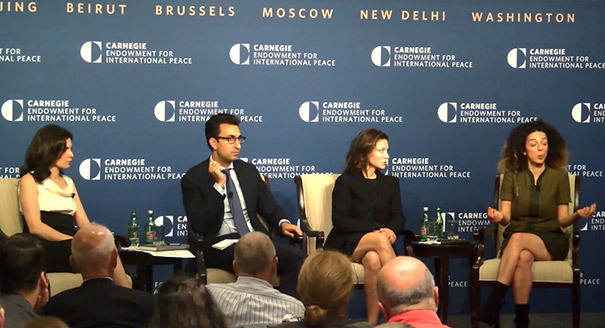
In a neighborhood engulfed in turmoil, Iran has enjoyed relative political stability of late. But have the rifts between state and society been reconciled?
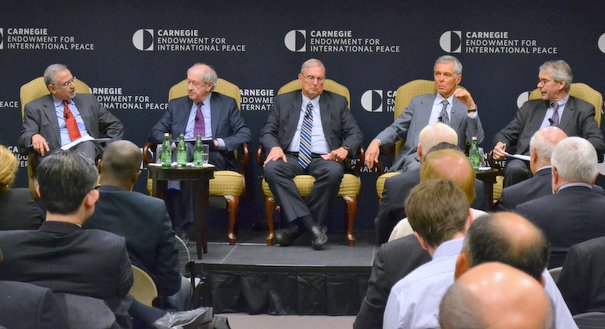
On May 9, Filipinos will vote for a new president and vice president in arguably one of the country’s most consequential elections.

The Carnegie Middle East Center is pleased to host a review of the Carnegie Endowment for International Peace’s first Arab Experts Survey.
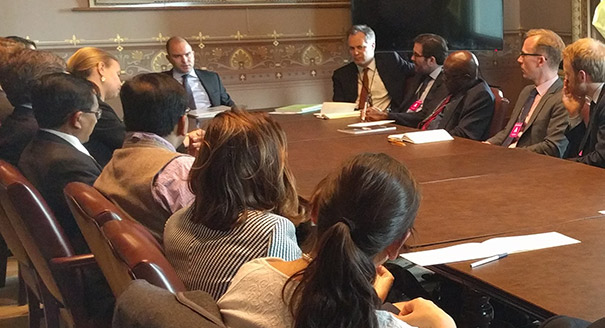
The Carnegie Endowment for International Peace hosted a two-day meeting of Carnegie’s Rising Democracies Network in Washington, DC.