Carnegie Moscow Center

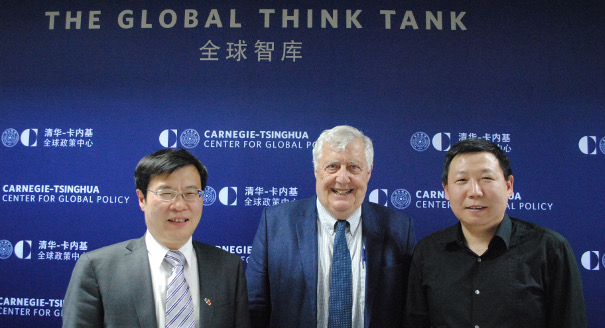
China’s economic engagement in Europe has grown considerably, but some sectors of its economy remain closed to European investors.
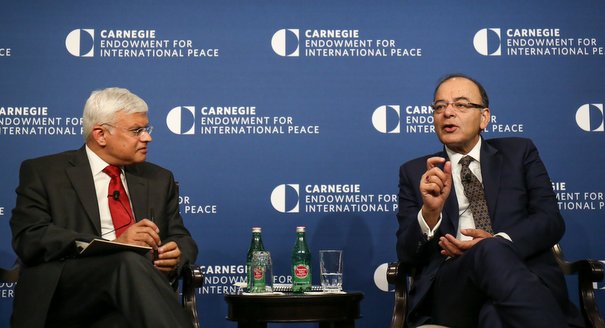
Indian Finance Minister Arun Jaitley discussed what the NDA government has accomplished in its first two years and how it plans to steer India toward a sustained, high-growth trajectory.
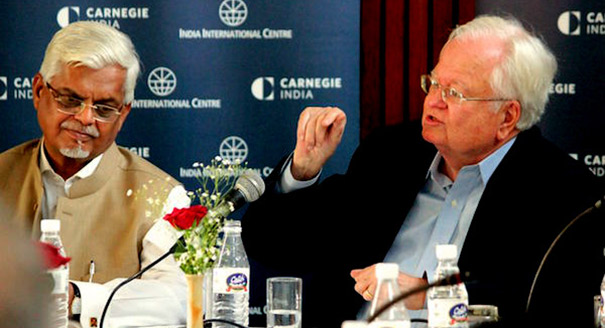
In a rapidly evolving global landscape that is unforgiving of military misadventures, there is an urgent need for policymakers in both India and the United States to strengthen the instruments of economic diplomacy.
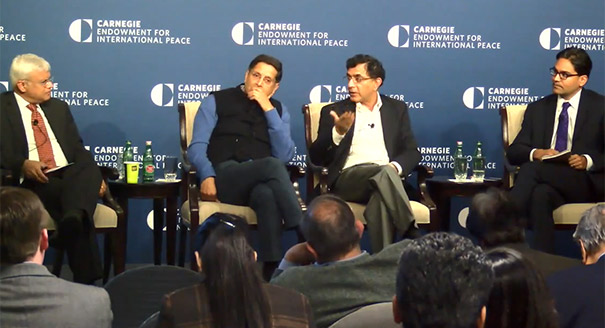
While India’s rise is undeniable, its trajectory within the global order remains unclear. Prime Minister Narendra Modi’s call for India to become a leading power represents a change in how the country’s top political leadership conceives of its role in international politics
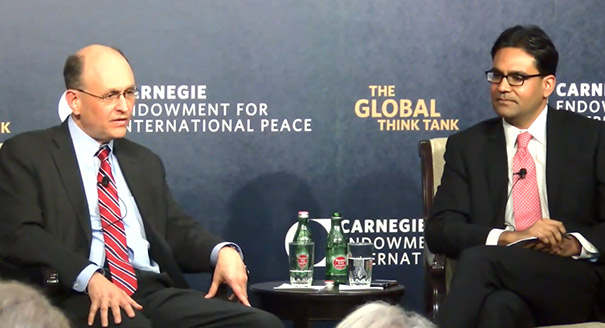
In advance of the sixth annual U.S.-India Economic and Financial Partnership dialogue, U.S. Treasury Undersecretary for International Affairs Nathan Sheets discussed the importance of the United States’ economic partnership with India.
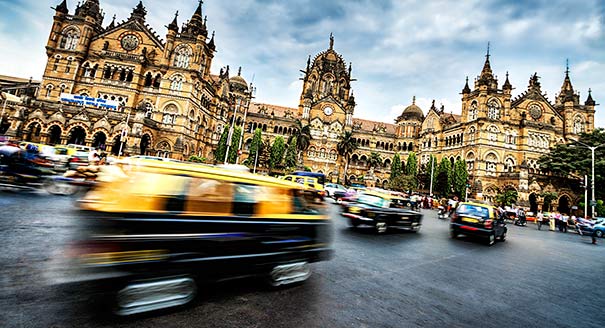
The Carnegie Endowment for International Peace is pleased to launch Carnegie India, its sixth international center.
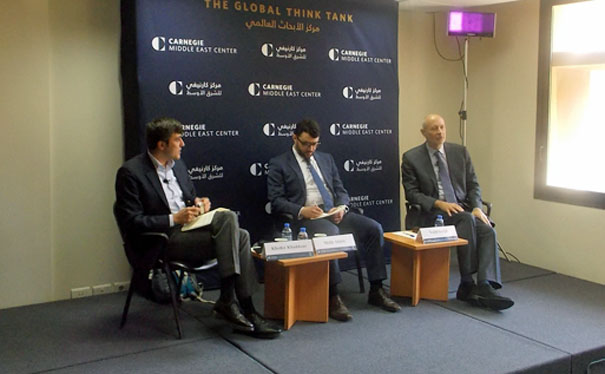
The fragile Syrian peace talks in Geneva are slowly moving forward.
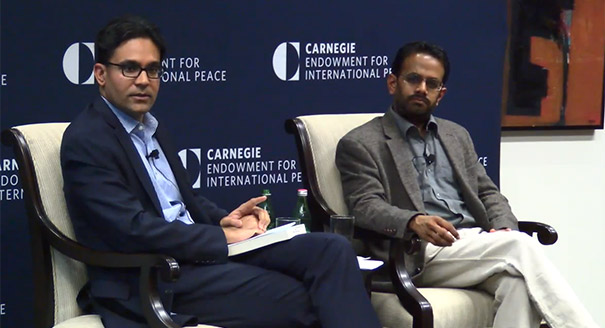
For over a quarter century, Sri Lanka endured a harrowing civil war pitting government forces against the insurgent Liberation Tigers of Tamil Eelam. How did the Sri Lankan civil war begin and what are its lasting impacts?
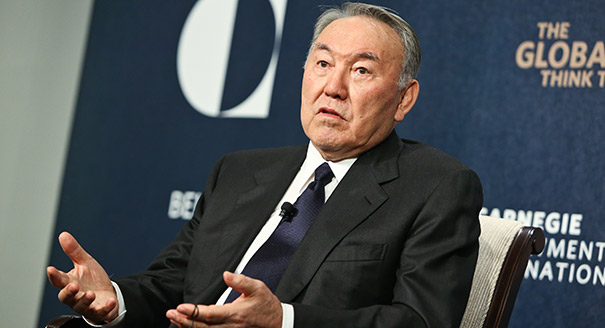
President Nazarbayev outlined his vision for a secure nuclear future, with a special focus on the Comprehensive Nuclear Test Ban Treaty (CTBT), the role of the IAEA Fuel Bank, and international efforts to curb nuclear terrorism.
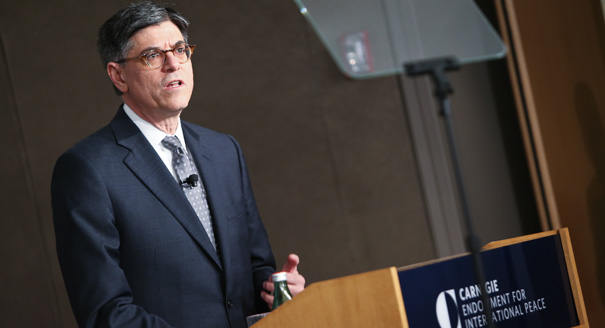
U.S. Secretary of the Treasury Jacob Lew discussed the evolution of sanctions, outlined lessons learned from previous challenges and successes, and raised the importance of guarding against their misuse.