Carnegie Moscow Center

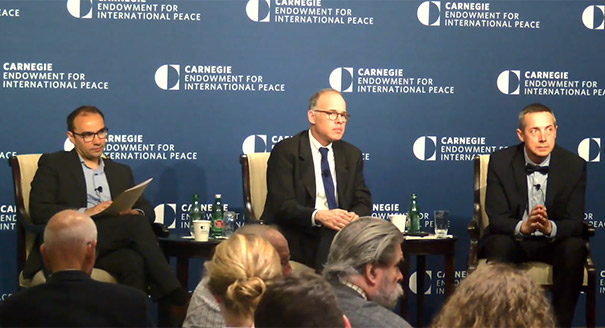
The severe political crisis in Kyiv has raised fundamental questions in recent weeks about the fate of Ukrainian reform.
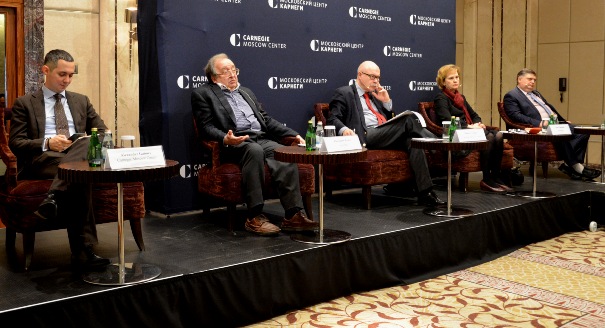
In partnership with the Russo-Japanese Business Council, the Carnegie Moscow Center hosted a panel discussion on the prospects of Russo-Japanese relations prior to Prime Minister Shinzo Abe’s visit to Sochi and his talks with President Vladimir Putin.
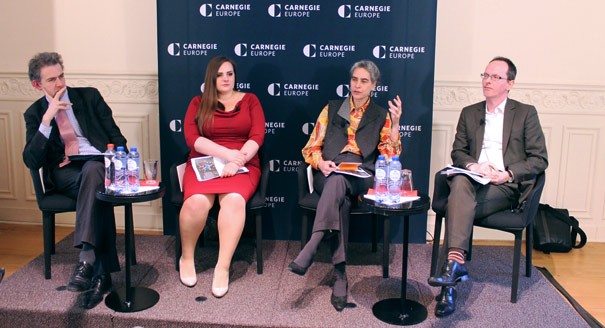
From the East-West standoff in Ukraine to mass migration and its causes, corruption is a surreptitious underlying driver.
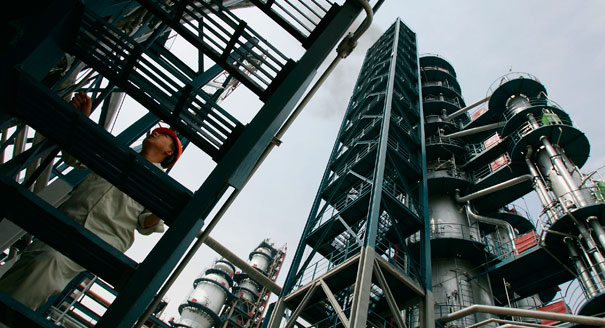
The commitments made at the 2015 UN Climate Change Conference will shake the foundations of future oil demand—with potentially dramatic impacts on oil prices and price volatility.
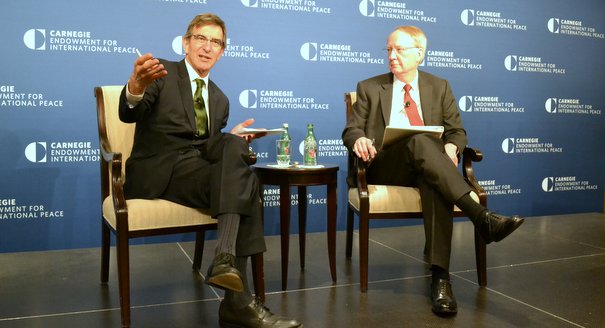
As focus shifts toward implementing the commitments undertaken in the Nuclear Security Summit, how will the National Nuclear Security Administration prioritize the challenges and opportunities it confronts?
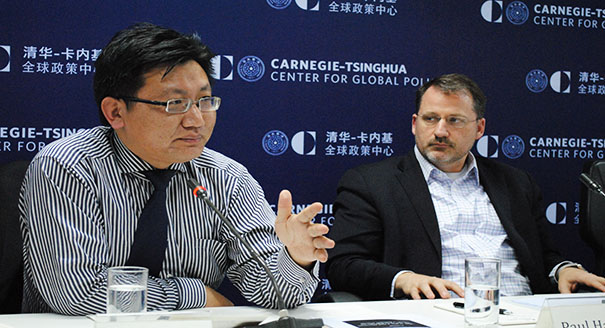
China’s Belt and Road initiative aims to extend infrastructure and connectivity across Eurasia, but so far few infrastructure projects have been enacted and the proposal remains at an early stage.
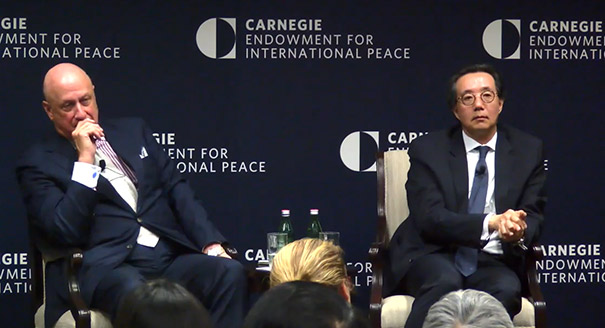
At a time when Asia is undergoing truly astounding economic, political, and security changes, the narrative of the region’s seemingly endless rise has predominated. Yet Asia’s economic success remains mired in virtually all of the world’s most pressing security and political problems.
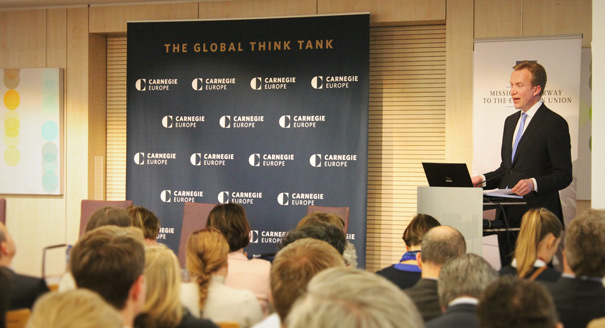
From a détente with Russia to a stronger NATO to international cooperation in the High North, where do Norway’s and the EU’s priorities converge?
The 2014 crisis in Ukraine sent a tottering U.S.-Russian relationship over a cliff—a dangerous descent into deep mistrust, severed ties, and potential confrontation reminiscent of the Cold War period.
Tunisia’s political transition is as remarkable as it is fragile—imperiled by both security challenges and significant socioeconomic obstacles.