Carnegie Moscow Center

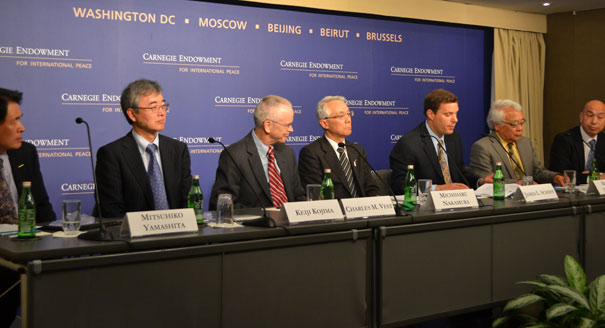
U.S.-Japan cooperation in science and technology can boost economic growth and strengthen the bilateral relationship.
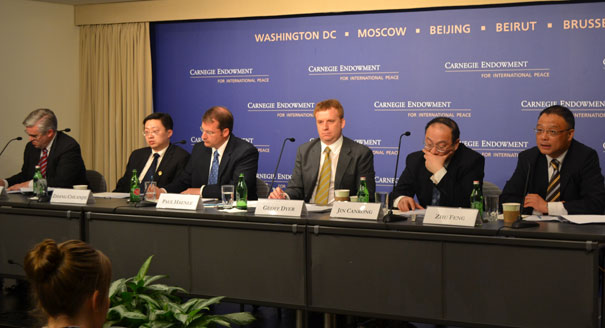
As the North Korean regime continues to issue provocative warnings for foreigners to evacuate the Korean peninsula, suggesting military escalation, regional cooperation has become essential to maintainingstability on the peninsula.

The Istanbul Process’ Heart of Asia Ministerial Conferences can play a role in efforts to promote regional stability and security in Central and South Asia.
Iran’s nuclear program has been marked by enormous financial costs, unpredictable risks, and unclear motivations.

Legal frameworks for international cooperation on sustainable development are not adjusting quickly enough to the problems of rapid development in new emerging powers.

China’s new leadership has taken shape since November and March but programmatic policy statements are not expected until around the time of the Third Plenum of the Central Committee in the autumn.

Since the outset of the Jasmine revolution in 2011, Tunisia has witnessed a major transformation. However, the progress made so far has yet to be translated into a national consensus on the nature of the emerging political system.
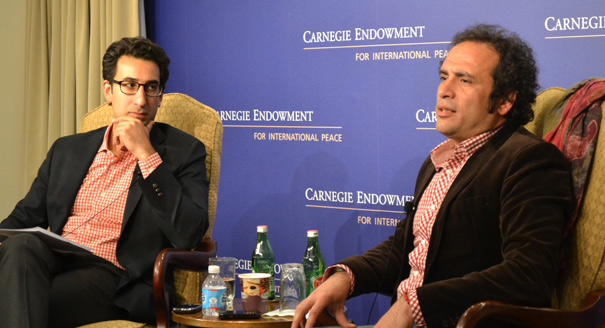
Opposition groups in Egypt face a range of challenges amidst the country’s rapidly changing political context.
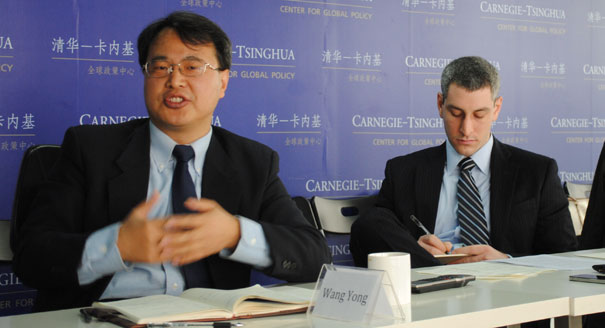
The wave of leadership transitions in China and throughout the rest of northeast Asia has raised numerous questions about the region’s stability and the state of U.S.-China relations.
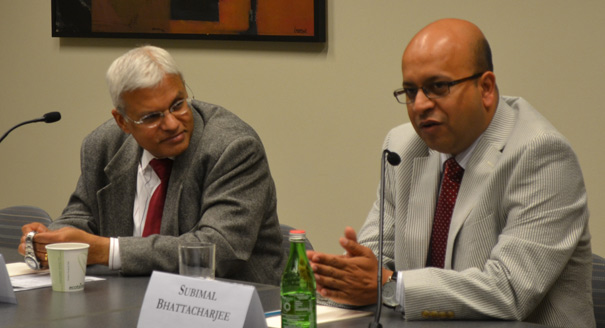
The growth of social media, e-commerce, and e-governance is making policy relating to cyberspace a critical issue in India and elsewhere.