Carnegie Moscow Center


Corruption remains a serious hindrance to increased trade and investment between the United States and Russia, and the two countries must work together to build strong institutions, develop better business practices, and enforce compliance.
Beijing’s relationship with Europe is increasingly complex, with a number of economic arrangements that could compromise European ideals.
NATO is facing a number of serious challenges from the current fiscal and security environment and the successful realization of the alliance’s security responsibilities requires dependable partners that more equitably share the ensuing burden.
Moldova is facing many of the challenges of the post-Soviet space, including corruption, internal conflict, underdevelopment, and labor migration, but it is charting an ambitious path of reform, reconciliation, and European integration.
More than three years after the August 2008 conflict over South Ossetia, the situation in the region remains deadlocked. However, some people-to-people contacts have resumed.

The Nuclear Non-Proliferation Treaty may be the cornerstone of international law relating to nuclear weapons, but disagreements over its meaning abound.
As the 18th National Party Congress approaches, 2012 promises to be a very interesting year for China and few are able to accurately describe how this change might impact China's domestic and international policies.

Tremendous political, economic, and social changes need to occur in post-revolution Libya. Unlike in Tunisia or Egypt, political structures and state institutions will have to emerge from the ground up.
Romania occupies a strategic position on the edge of the European Union and the Black Sea and its proximity to areas of unresolved conflict makes it an important partner in the context of Euro-Atlantic security.
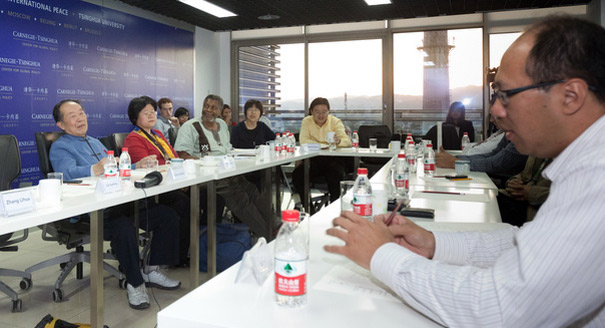
Chinese traditional culture has broad implications for the country’s rapidly transitioning foreign policy and diplomacy strategy which are little understood by the international community.